Now that I have gathered enough knowledge and research on the Abstract category, I can start to think about my own ideas.
I started to experiment in Photoshop and found that I could come up with some really unique and interesting images. I've taken a few photos as well, but having done lots of experiments in Photoshop, I'm certain that I could come up with some good digital images that would be suitable wallpapers.
As I'm not particuarly experienced with PhotoShop, I used lots of tutorials to help build my knowledge in render effects, paint brush effects, lighting effects, gradients and lots of other skills.
I need to make sure that the images I choose look good on the iPhone or iPad, they need to be the right size so that they do not pixelate on the iPad.
See my next article for my experimentations.
Tuesday, 30 November 2010

7 - Abstract Market Research.
Here we asked 66 people of all ages, 33 males and 33 females what category of wallpaper they use on their Apple Device, we then devised tables and charts to clearly display the data. It has been helpful in knowing which catergories are more popular in people, both male and female.
Here is an image of the table and chart:
 As you can see, the most popular wallpaper in males and females is Nature, the least popular being culture. We can also see that Abstract wallpapers are most popular in Males with 15% of all males asked using them.
Here is an image of the table and chart:
 As you can see, the most popular wallpaper in males and females is Nature, the least popular being culture. We can also see that Abstract wallpapers are most popular in Males with 15% of all males asked using them.
6 - Digital Art, Traditional Art or Photography?
For my project, I need to decide what way I'm going to create my final pieces for the category. Using digital art techniques - computer-created images, traditional art techniques - painting or drawing, or photography - taking photos of abstract objects.
I like some of the abstract pieces I found that were made digitally, and I think using Photoshop I could create some interesting wallpapers that would look good on the iPhone or iPad. As I am not good at painting or drawing, I don't think I'd like to use any traditional art techniques in creating my wallpaper.
I think I am going to mainly use Photography, I loved the images I found online and feel really inspired to create some of my own. Because it is such a broard category, I feel I could take some really good photographs. I already have some ideas!
Next I am going to look at our market research and the popularity and use of abstract wallpapers on Apple Devices.
I like some of the abstract pieces I found that were made digitally, and I think using Photoshop I could create some interesting wallpapers that would look good on the iPhone or iPad. As I am not good at painting or drawing, I don't think I'd like to use any traditional art techniques in creating my wallpaper.
I think I am going to mainly use Photography, I loved the images I found online and feel really inspired to create some of my own. Because it is such a broard category, I feel I could take some really good photographs. I already have some ideas!
Next I am going to look at our market research and the popularity and use of abstract wallpapers on Apple Devices.
5 - Examples of Abstract Photography.
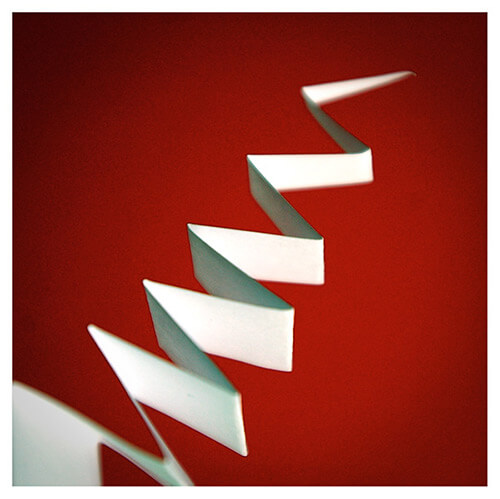
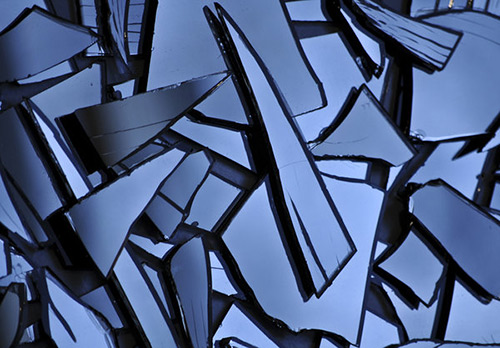
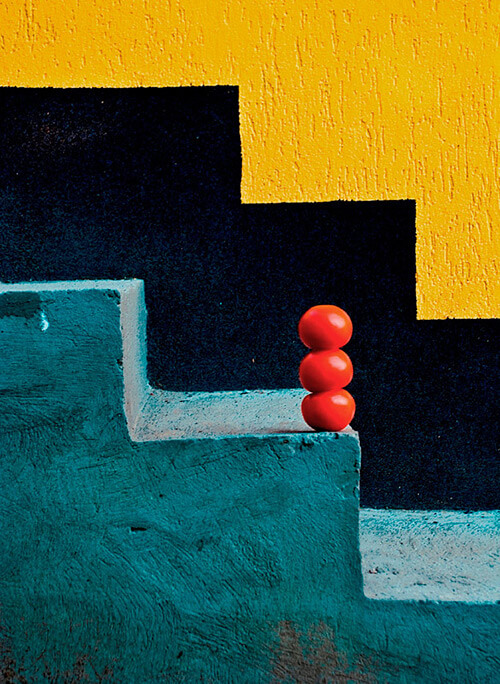
Abstract art can also be communicated through Photography. I particularly like photography so I was interested to explore abstract as a topic, here are some of the images I like:
Tony Howell:


I found a website displaying the top 40 rated abstract photographs:
 Patricia Sweeney
 Earl A Jones
 Tanakawho


 Alexandra Buisse

 Alice Marie


Tony Howell:


I found a website displaying the top 40 rated abstract photographs:
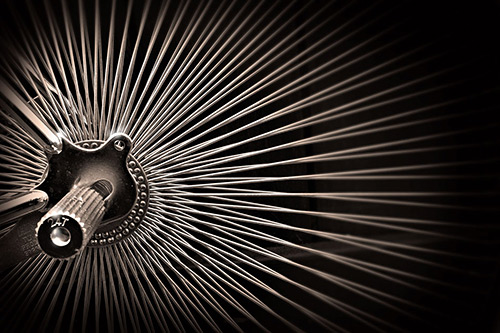 Patricia Sweeney
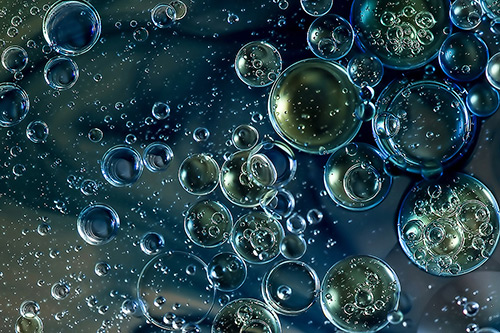 Earl A Jones
 Tanakawho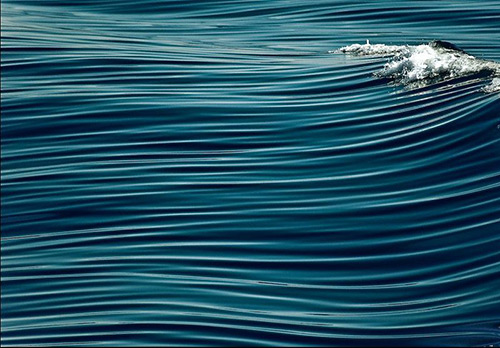
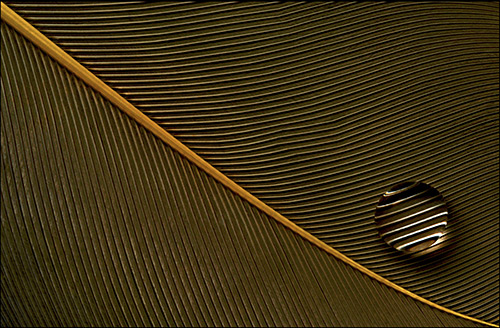
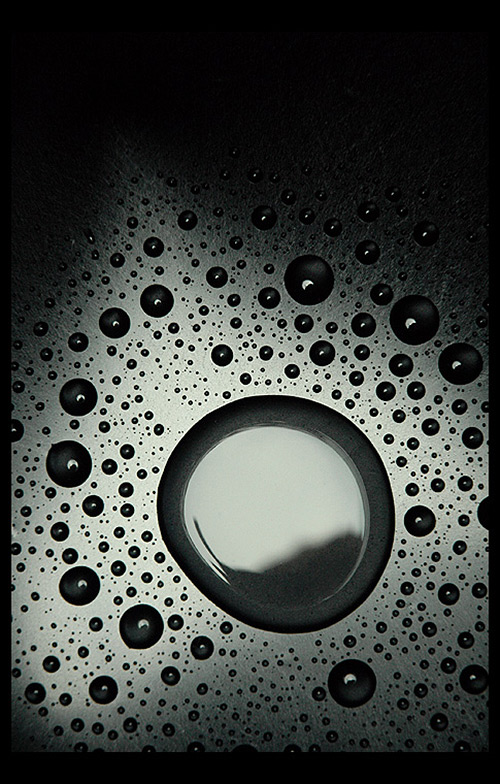
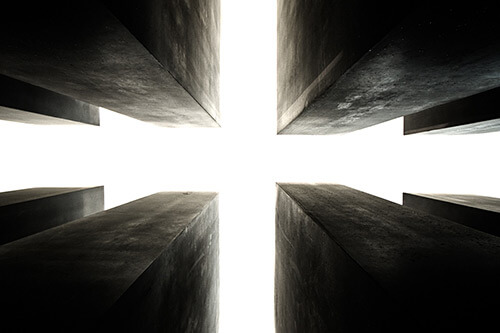 Alexandra Buisse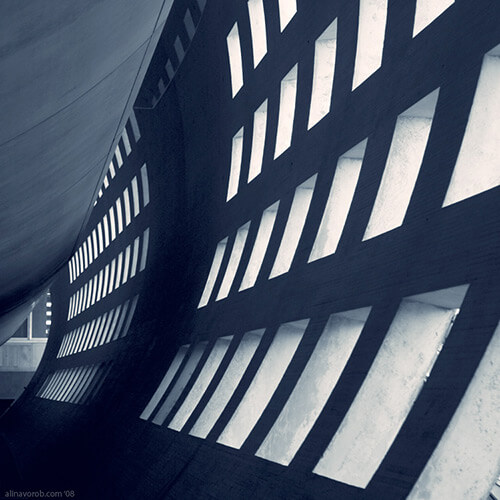
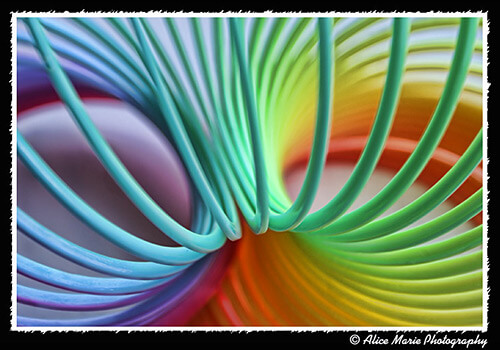 Alice Marie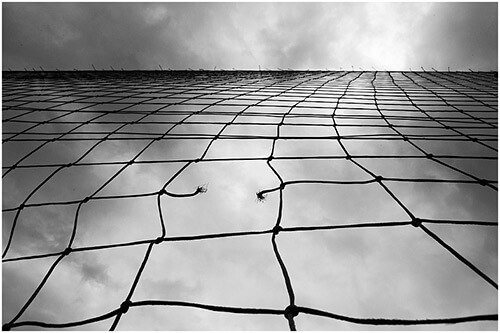
Monday, 29 November 2010
4 - Examples of Digital Abstract Art.
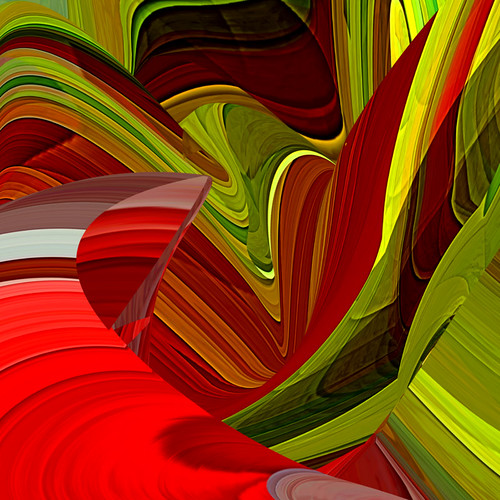
Abstract art has moved with the times, researching online, I could find lots of examples of digital abstract art. Here are some of my finds:

^ I really like the lines in this image, and the gold and brown.

^This reminds me of Picasso's work.
 ^I love the distortion and colours in this image, you can just make out a face.

^This is also a nice image, I like the watery effect it has.
 ^I think this is one of my favourites, I love the colours and peacock like effect.
 ^This image feels angry, the contrast of black & white creates a tense effect.
 ^This also reminds me of Picasso's work.


^ I really like the lines in this image, and the gold and brown.

^This reminds me of Picasso's work.
 ^I love the distortion and colours in this image, you can just make out a face.
^This is also a nice image, I like the watery effect it has.
 ^I think this is one of my favourites, I love the colours and peacock like effect.
 ^This image feels angry, the contrast of black & white creates a tense effect.
 ^This also reminds me of Picasso's work.

3 - Examples of Traditional Abstract Art.
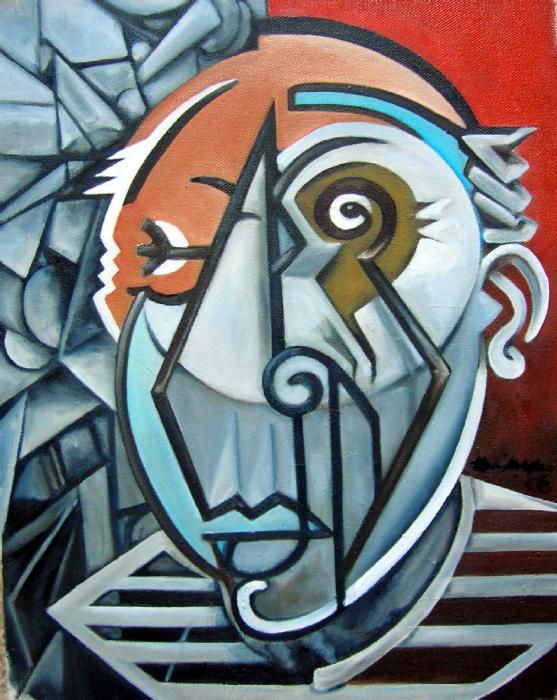
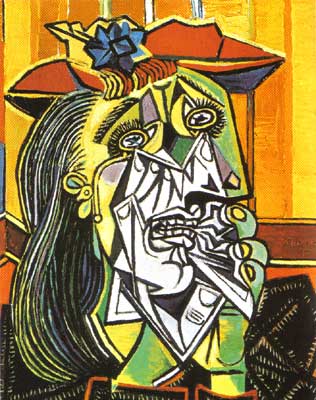
Examples of Abstract Art in the traditional style of drawing/painting on canvas.
A famous figure in abstract art is Pablo Picasso. His use of Cubism in his later years, and the unusual use of collage, shapes, lines and colours in portraits that caught the attention of people. I like the strangeness of his work, and how captivating the paintings are for the time that they were made. I think they are timeless pieces that will remain iconic for years to come.


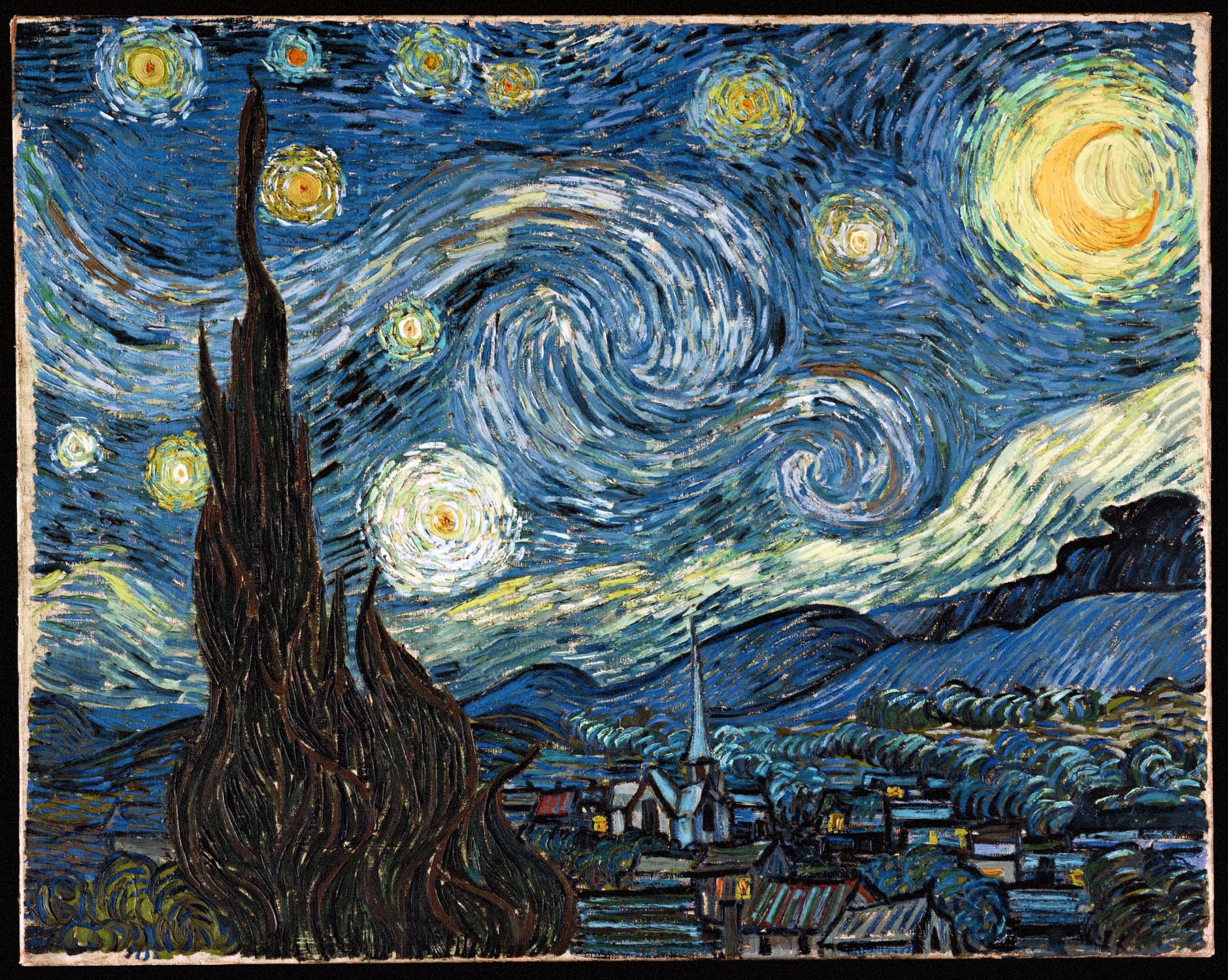
 Vincent Van Vogh's work can fall under many genres, but during a certain time in his life, I believe some of his paintings were very abstract, due to the different use of lines and textures, the slight distortion and the clashing of colours in some pieces. Here are some examples:


A famous figure in abstract art is Pablo Picasso. His use of Cubism in his later years, and the unusual use of collage, shapes, lines and colours in portraits that caught the attention of people. I like the strangeness of his work, and how captivating the paintings are for the time that they were made. I think they are timeless pieces that will remain iconic for years to come.




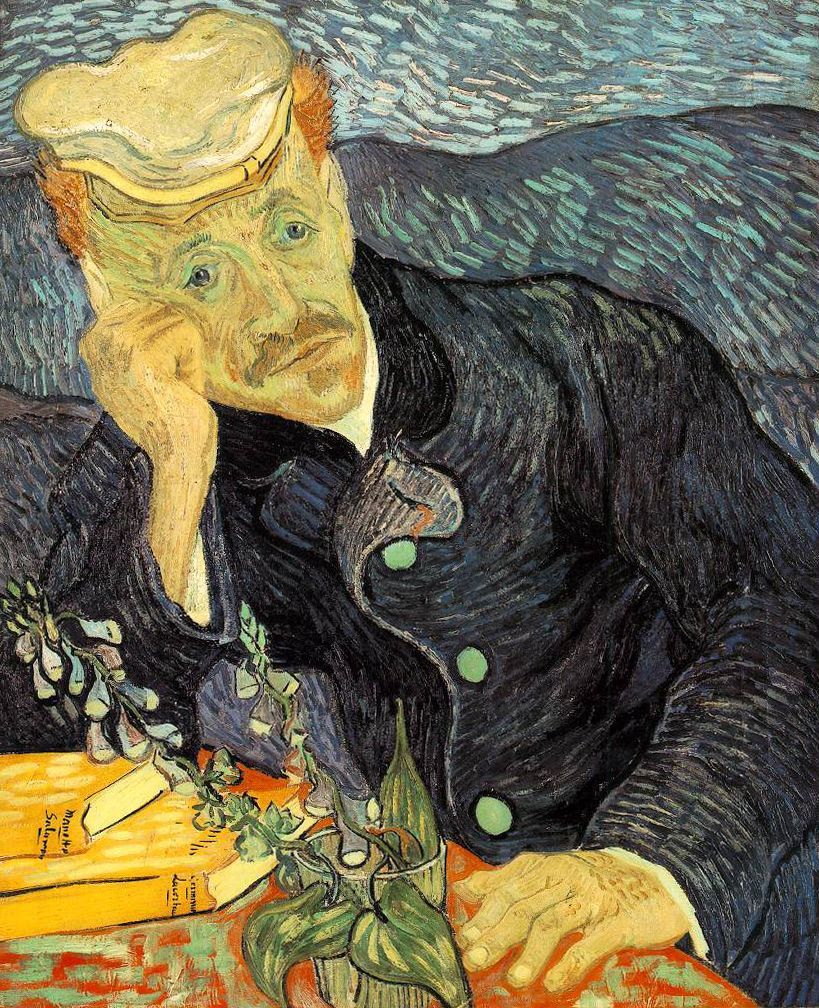 Vincent Van Vogh's work can fall under many genres, but during a certain time in his life, I believe some of his paintings were very abstract, due to the different use of lines and textures, the slight distortion and the clashing of colours in some pieces. Here are some examples:

2 - Abstract art in the 21st Century.
In the 21st century, abstract can now be considered as a part of digital art, geometric abstraction, photorealism, minimalisim, pop art, collage and shaped-canvas painting.
It has parted into to so many mediums, making it a very versatile type of art.
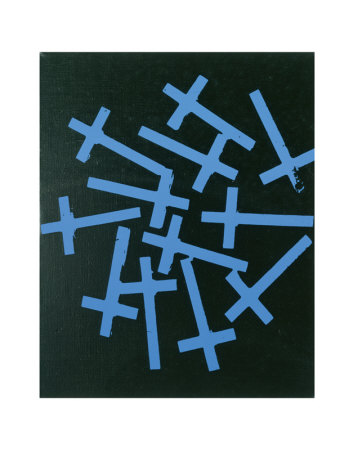
My particular favourite is pop art, especially the work of Andy Warhol:


It has parted into to so many mediums, making it a very versatile type of art.
My particular favourite is pop art, especially the work of Andy Warhol:




1 - What IS abstract in art terms?
Abstract is art that is independent from the visual references in the world.
By the end of the 19th century, artists developed a new form of art which encompasses the changes in society, including technology, science and philosophy.
Full abstraction bares no resembulance to anything recognizable.
The colour and form of abstract art is the subject of the piece, its non-objective and non-representational.
However, abstract can represent things that aren't physical, for example music, emotion or spiritual experiences.
In art history, the detatchment from the traditional art where a painting represented something or meant something was noticed when impressionism, expressionism and romanticism movements emerged in the 19th century. These movements 'broke the rules' of traditonal art and revolutionised artist independence. Later, in the 20th century, cubism and fauvism movements broke the mould. With noted painters such as Van Gogh, Gauguin and Seurat.
Abstract art can be defined by the unusual composition and combination of colours, lines, shapes or objects.
Expressionists in the 1940's explored the use of bold, intense and harsh colours, exaggerations and distortions. They had particular emphasis on the subject matter in favor of the portrayal of psychological states of being. Some techniques of portraying this were having the paint dripped, dropped, dragged, splattered or poured on the canvas to achieve a relaxed and less structured painting.
Some noted expressionists are Edvard Munch, Emil Nolde, Käthe Kollwitz.
Impressionists were mainly based in Paris. The characteristics of impressionist art include small, thin brush strokes with the emphasis of lights and darks, highlights and shadows. Impressionists relaxed the boundary between subject and background, creating life like paintings.
Noted impressionists were Claude Monet, Pierre-Auguste Renoir, Alfred Sissley and Edgar Degas.
By the end of the 19th century, artists developed a new form of art which encompasses the changes in society, including technology, science and philosophy.
Full abstraction bares no resembulance to anything recognizable.
The colour and form of abstract art is the subject of the piece, its non-objective and non-representational.
However, abstract can represent things that aren't physical, for example music, emotion or spiritual experiences.
In art history, the detatchment from the traditional art where a painting represented something or meant something was noticed when impressionism, expressionism and romanticism movements emerged in the 19th century. These movements 'broke the rules' of traditonal art and revolutionised artist independence. Later, in the 20th century, cubism and fauvism movements broke the mould. With noted painters such as Van Gogh, Gauguin and Seurat.
Abstract art can be defined by the unusual composition and combination of colours, lines, shapes or objects.
Expressionists in the 1940's explored the use of bold, intense and harsh colours, exaggerations and distortions. They had particular emphasis on the subject matter in favor of the portrayal of psychological states of being. Some techniques of portraying this were having the paint dripped, dropped, dragged, splattered or poured on the canvas to achieve a relaxed and less structured painting.
Some noted expressionists are Edvard Munch, Emil Nolde, Käthe Kollwitz.
Impressionists were mainly based in Paris. The characteristics of impressionist art include small, thin brush strokes with the emphasis of lights and darks, highlights and shadows. Impressionists relaxed the boundary between subject and background, creating life like paintings.
Noted impressionists were Claude Monet, Pierre-Auguste Renoir, Alfred Sissley and Edgar Degas.
Subscribe to:
Comments (Atom)